

2025
Backflow Prevention Devices for Lower Mainland Homes
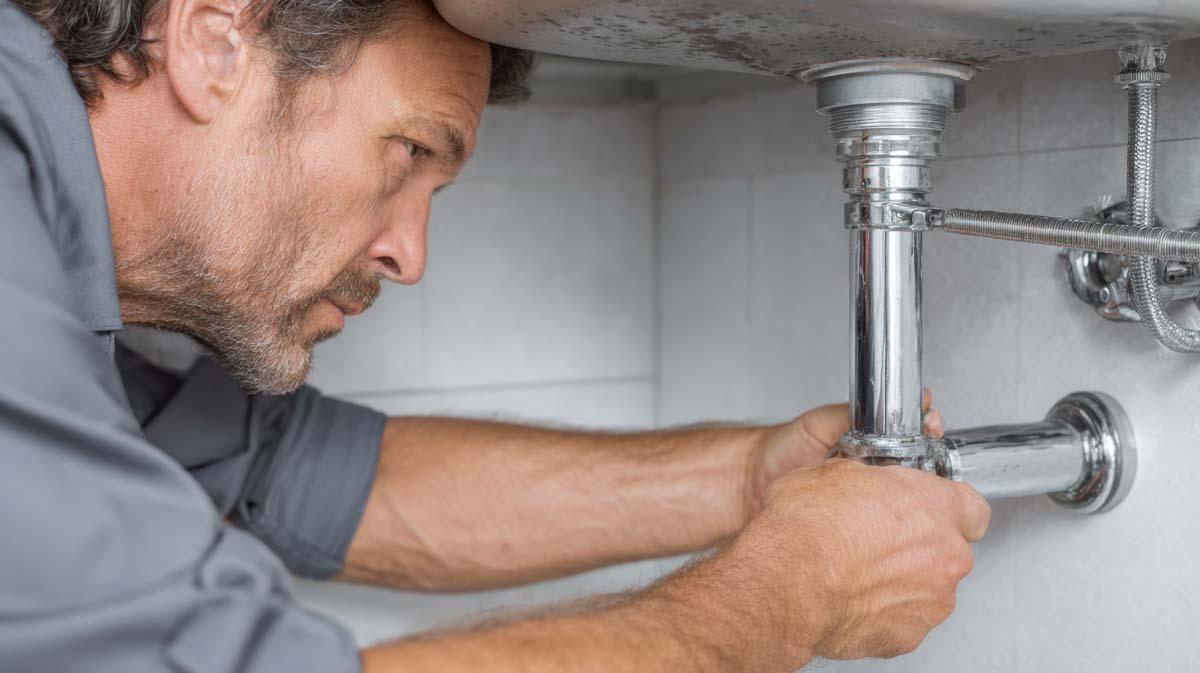
Most homeowners in the Lower Mainland never think about the direction their water flows, until something goes wrong. Every tap, toilet, and sprinkler system relies on water pressure to keep clean water moving forward through the plumbing system.
But if that pressure changes, the flow can reverse, sending contaminated water back into your home’s supply. That’s where backflow prevention devices come in.
These systems protect your drinking water from contamination and ensure that your household stays safe and compliant with local plumbing codes.
What Is Backflow and Why It Happens
Backflow occurs when water flows backward through the plumbing system, carrying contaminants such as soil, fertilizers, cleaning agents, or bacteria into the clean water supply. It usually happens due to one of two conditions:
-
Backpressure: When the pressure inside your home’s plumbing system becomes greater than the pressure in the municipal supply, often from boilers, pumps, or heating systems.
-
Backsiphonage: When the main supply pressure drops suddenly, creating suction that pulls contaminated water back through the lines.
These changes can happen during firefighting operations, water main breaks, or even when a garden hose is left submerged in a bucket or pool. Without proper protection, these situations can cause serious health hazards.
How Backflow Prevention Devices Work
Backflow prevention devices are mechanical valves designed to stop contaminated water from reversing direction. They automatically close or create an air gap whenever a reversal in flow is detected. This ensures that only clean water continues through the pipes, even if external pressure drops.
In most Lower Mainland municipalities, backflow prevention devices are required for certain plumbing fixtures or outdoor systems. Many homes already have them installed, but older properties may not meet current standards.
Common Backflow Prevention Devices for Vancouver Homes
Air Gaps
An air gap is the simplest and most reliable form of backflow prevention. It’s the physical space between a water outlet and the flood level of a fixture, like the distance between your kitchen faucet and the rim of the sink. Air gaps are common on faucets, dishwashers, and water softeners.
They work passively, relying on gravity and separation rather than mechanical parts, making them maintenance-free and effective for basic protection.
Atmospheric Vacuum Breakers (AVB)
Atmospheric vacuum breakers are often found on outdoor hose bibs, irrigation systems, or sprinkler setups. They use a one-way valve that opens when water pressure drops, allowing air into the line to prevent back-suction.
AVBs are affordable and easy to install but should be placed above all downstream piping for proper operation.
Pressure Vacuum Breakers (PVB)
Pressure vacuum breakers are more advanced and can handle continuous water pressure. They include a spring-loaded check valve and an air inlet valve that prevents contaminated water from being drawn back into the main line.
PVBs are typically used in residential irrigation systems and must be installed at least 12 inches above the highest sprinkler head to comply with code.
Double Check Valve Assemblies (DCVA)
A double check valve assembly contains two internal check valves for added protection. If one valve fails, the second provides backup security. This design is common in homes with fire sprinkler systems, boilers, or secondary water sources.
DCVAs require annual testing by a certified backflow technician to ensure they remain fully functional.
Reduced Pressure Zone Assemblies (RPZ)
RPZ devices offer the highest level of protection. They include two check valves and a relief valve that opens to discharge water if pressure differences occur.
RPZs are used where the risk of contamination is significant, such as in homes with irrigation systems connected to chemical feeds or private wells. They are more complex and require professional installation and regular testing.
Keeping Water Safe for Everyone
Clean water is something most people take for granted but maintaining that quality depends on a properly protected plumbing system.
Backflow prevention devices are a small but essential safeguard that ensure what enters your taps stays pure. By keeping these systems inspected and functioning, homeowners play a direct role in protecting not only their own property but also their entire community. Regular maintenance, awareness, and a few smart upgrades go a long way toward keeping the Lower Mainland’s water supply safe, reliable, and ready for everyday use.
Hilltop Plumbing & Heating Ltd. is a licensed bonded and insured plumbing and gas fitting company, proudly serving the White Rock and South Surrey area for over 50 years.
Trusted for over four decades, we have been providing plumbing & heating solutions, backed up by our guaranteed workmanship and parts warranty.