

2026
What Causes Recurring Home Plumbing Problems and How to Avoid Them
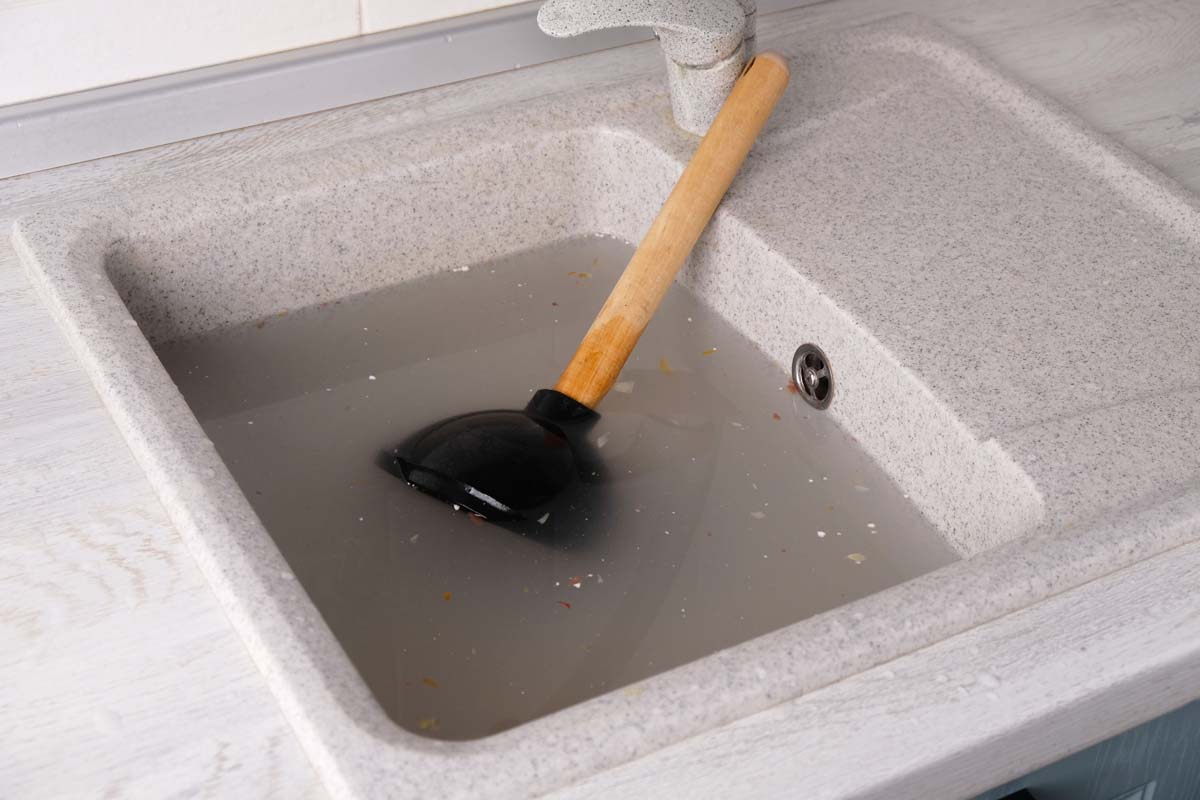
Homeowners in White Rock and South Surrey often face the frustration of recurring plumbing issues. These persistent problems can range from minor annoyances to significant disruptions, impacting daily life and potentially leading to costly repairs if left unaddressed. Understanding the root causes is the first step toward finding lasting solutions and maintaining a healthy plumbing system.
Many common plumbing woes aren't isolated incidents but symptoms of underlying issues that demand attention. From leaky faucets to clogged drains, identifying these patterns and implementing preventative measures can save you time, money, and stress in the long run. Let's explore the frequent culprits behind these recurring problems and effective strategies to keep your home's plumbing running smoothly.
Understanding Common Culprits Behind Persistent Leaks
Persistent leaks, whether from faucets, pipes, or fixtures, are more than just a nuisance; they can lead to water damage, mold growth, and inflated water bills. Often, recurring leaks stem from worn-out components, improper installation, or fluctuating water pressure. Small drips can quickly escalate into significant problems if ignored.
One of the primary reasons for recurring leaks is the degradation of seals and washers over time. These components are designed to prevent water from escaping, but constant exposure to water and temperature changes causes them to wear out. Regular inspection and timely replacement of these parts can prevent many leaks before they start. Another factor can be high water pressure, which puts undue stress on your plumbing system, leading to premature wear and tear on pipes and fittings. If you suspect high water pressure, it's wise to have a professional assess your system and install a pressure regulator if necessary.
Here are some common causes of recurring leaks:
- Worn-out washers and gaskets in faucets and showerheads.
- Corroded pipes, especially in older homes, leading to pinhole leaks.
- Loose pipe connections due to vibrations or improper installation.
- Cracked or damaged seals around fixtures like toilets and sinks.
Addressing these issues promptly can prevent minor leaks from becoming major headaches. For more complex leaks or concerns about your home's overall plumbing integrity, consider consulting with experienced professionals who can diagnose and repair issues effectively, ensuring your system is robust and leak-free.
The Cycle of Clogged Drains and How to Break It
Clogged drains are perhaps one of the most common and frustrating recurring plumbing problems. While a single clog might seem like an isolated event, frequent blockages often indicate deeper issues within your drainage system. These can range from improper disposal habits to structural problems in your pipes.
Hair, grease, soap scum, and food particles are the usual suspects that accumulate over time, forming stubborn blockages. Even seemingly harmless substances can contribute to the problem. For instance, pouring cooking oil down the sink might seem convenient, but it solidifies in pipes, trapping other debris and leading to severe clogs. Regular maintenance and mindful disposal are crucial for preventing these recurring issues.
To effectively combat recurring drain clogs, consider these preventative measures:
- Use drain screens in sinks and showers to catch hair and food particles.
- Avoid pouring grease, coffee grounds, and harsh chemicals down drains.
- Flush drains with hot water periodically to help dissolve minor buildup.
- Schedule professional drain cleaning, such as hydro jetting, to clear stubborn blockages and maintain clear pipes.
Understanding the nature of your drain lines and taking proactive steps can significantly reduce the frequency of clogs. If you find yourself constantly battling blocked drains, it might be time to investigate further, as persistent issues could point to more significant problems like tree root intrusion or pipe damage that require professional attention.
Water Heater Woes: Why Your Hot Water Keeps Failing
Nothing disrupts daily routines quite like a malfunctioning water heater. If you find yourself constantly running out of hot water or experiencing inconsistent temperatures, it's likely you're dealing with recurring water heater problems. These issues can stem from various factors, including sediment buildup, faulty components, or an improperly sized unit.
Sediment accumulation at the bottom of the tank is a common culprit, especially in areas with hard water. This sediment reduces the heater's efficiency, causes strange noises, and can eventually lead to premature failure. Regular flushing of your water heater can prevent this buildup. Another frequent issue involves the heating elements or thermostat, which can wear out over time, leading to inadequate heating or complete hot water loss. If your water heater is old, its efficiency might also be declining, making it struggle to meet your household's demands.
Consider these points if your water heater is giving you recurring trouble:
- Lack of regular maintenance, such as flushing the tank to remove sediment.
- Aging unit that has exceeded its lifespan, typically 10-15 years.
- Faulty heating elements or a malfunctioning thermostat.
- An undersized water heater that cannot meet household demand.
Addressing these issues proactively can extend the life of your water heater and ensure a consistent supply of hot water. If you're unsure about the cause of your water heater's problems, or if it's an older unit, professional inspection and maintenance can help diagnose the problem and recommend the best course of action, whether it's repair or replacement.
Understanding and Preventing Low Water Pressure Issues
Low water pressure can turn simple tasks like showering or washing dishes into frustrating chores. While occasional drops in pressure might be due to temporary municipal issues, recurring low water pressure often points to problems within your home's plumbing system. These can include mineral buildup in pipes, leaky fixtures, or issues with the main water supply line.
Over time, mineral deposits from hard water can accumulate inside pipes, narrowing the passageway and restricting water flow. This is particularly common in older homes with galvanized pipes. Leaks, even small ones, can also significantly reduce water pressure throughout your home as water escapes before reaching its intended destination. Furthermore, problems with your main water line, such as corrosion or blockages, can restrict the overall water supply to your property.
To combat recurring low water pressure, consider:
- Checking for visible leaks in faucets, toilets, and pipes.
- Cleaning aerators and showerheads to remove mineral buildup.
- Inspecting the main shut-off valve to ensure it's fully open.
- Consulting a plumber to assess for pipe corrosion or main line issues.
Identifying the specific cause of low water pressure is key to finding a lasting solution. A professional plumber can conduct a thorough inspection, identify any underlying issues, and recommend appropriate repairs or upgrades, such as whole house repiping, to restore optimal water pressure throughout your home.
The Dangers of Aging Pipes and the Need for Repiping
Many homes in White Rock and South Surrey, especially older ones, may still have outdated or deteriorating piping systems. Materials like galvanized steel or Poly B can be prone to corrosion, leaks, and even sudden bursts, leading to recurring plumbing problems that are both disruptive and costly. Ignoring these signs can result in significant water damage and compromise the structural integrity of your home.
Galvanized pipes, commonly installed before the 1960s, are notorious for corroding from the inside out, leading to reduced water flow, discolored water, and frequent leaks. Poly B piping, used between the 1970s and 1990s, is also known for its susceptibility to failure due to degradation from chlorine in the water supply, often resulting in sudden leaks and bursts. When these materials are present, recurring issues are almost inevitable, making a comprehensive solution like whole house repiping a wise investment.
If you suspect your home has aging or problematic pipes, look out for:
- Frequent leaks or bursts in pipes.
- Discolored or foul-smelling water.
- Significant drops in water pressure.
- Visible corrosion on exposed pipes.
Investing in whole house repiping can eliminate these recurring problems, improve water quality and pressure, and significantly increase the value and safety of your home. It's a long-term solution that provides peace of mind and prevents future plumbing emergencies.
Preventing Sewer Backups and Drain Line Issues
Sewer backups and persistent drain line problems are among the most unpleasant and potentially damaging plumbing issues a homeowner can face. These recurring nightmares often indicate blockages, damaged pipes, or even tree root intrusion into your drain lines. Understanding the causes and taking preventative measures is crucial to maintaining a healthy and functional drainage system.
One of the most common causes of sewer backups is the accumulation of grease, non-flushable items, and foreign objects in the main sewer line. Tree roots are also a significant threat, as they seek out moisture and can infiltrate small cracks in pipes, growing and creating severe blockages. Additionally, older or damaged sewer pipes can collapse or sag, creating bellies where waste collects, leading to recurring backups.
To prevent recurring sewer and drain line issues:
- Be mindful of what goes down your drains and toilets; avoid flushing anything other than human waste and toilet paper.
- Regularly clean out floor drains and ensure outdoor drains are clear of debris.
- Consider professional drain cleaning or inspection if you notice slow drains or gurgling noises.
- Address tree root issues promptly with professional removal and pipe repair.
Proactive maintenance and responsible waste disposal are your best defenses against recurring sewer backups. If you're experiencing frequent issues, a professional plumbing inspection, including camera inspection of your drain lines, can pinpoint the exact problem and allow for targeted repairs, preventing future headaches and protecting your home from costly damage.
Ensuring Long-Term Plumbing Health for Your Home
Recurring plumbing problems can be a source of constant stress and expense for homeowners. However, by understanding the common causes and implementing proactive strategies, you can significantly reduce the likelihood of these issues plaguing your White Rock or South Surrey home. From addressing persistent leaks and clogged drains to maintaining your water heater and inspecting aging pipes, a comprehensive approach to plumbing care is essential.
Regular maintenance, mindful usage, and timely professional inspections are key to ensuring the long-term health of your plumbing system. Don't wait for a minor issue to escalate into a major emergency. Investing in preventative measures and addressing problems early can save you from significant headaches and costly repairs down the line. A well-maintained plumbing system not only provides comfort and convenience but also protects the value and integrity of your home.
Hilltop Plumbing & Heating Ltd. is a licensed bonded and insured plumbing and gas fitting company, proudly serving the White Rock and South Surrey area for over 50 years.
Trusted for over four decades, we have been providing plumbing & heating solutions, backed up by our guaranteed workmanship and parts warranty.