

2026
Guide to Preventing Basement Water Damage With Proper Drainage Infrastructure
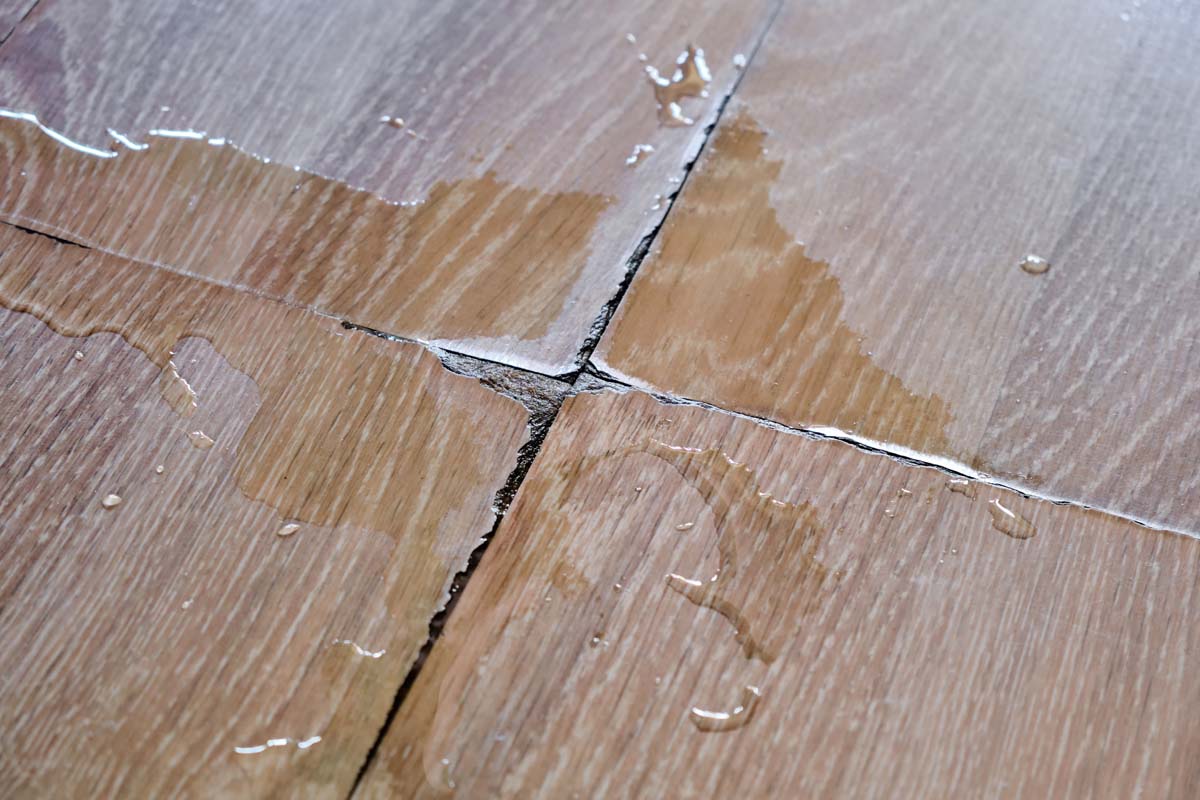
Imagine waking up on a rainy Tuesday morning, heading downstairs for your first cup of coffee, and stepping into two inches of cold, murky water. It is a nightmare every homeowner fears. Yet, for many, this scenario is a ticking time bomb hidden right beneath their feet.
Basements are unique spaces. They are literally carved into the earth, which means they are constantly surrounded by soil, moisture, and varying levels of pressure. When your home’s drainage infrastructure fails, that water has nowhere to go but inside.
The Invisible Force Pushing Against Your Walls
To understand why drainage matters, you first have to understand the enemy. It is a concept called hydrostatic pressure.
When it rains, the soil surrounding your foundation becomes saturated. Water is heavy. As the soil holds onto that moisture, it exerts tremendous pressure against your basement walls. If the water has no clear path to drain away, it will find the path of least resistance.
Usually, that path is through microscopic cracks in your concrete or the "cove joint" where the floor meets the wall. Without a system to relieve this pressure, even the strongest foundation can eventually buckle or leak.
Proper drainage infrastructure acts like a relief valve. It redirects that water before the pressure becomes too much for your home to handle.
The First Line of Defense Starts Outside
Most basement water problems actually start above the ground. If you can stop the water from ever reaching your foundation walls, you have already won half the battle. This starts with your gutters and downspouts.
Think of your roof as a massive collection deck. During a heavy storm, thousands of gallons of water pour off your shingles. If your gutters are clogged or your downspouts drop that water right next to your foundation, you are essentially creating a moat around your basement.
Key exterior drainage tips include:
- Extend your downspouts: Water should be discharged at least six to ten feet away from your foundation.
- Clean your gutters regularly: Debris causes overflow, which leads to water cascading straight down your siding and into the soil next to your basement.
- Maintain your splash blocks: Ensure the plastic or concrete pads at the bottom of your downspouts are angled correctly to move water away.
The Importance of Proper Grading
If your yard slopes toward your house, you have a grading problem. Gravity is a powerful force, and it will always pull water toward the lowest point. If that lowest point is your basement wall, you are in trouble.
A properly graded yard should slope away from the house at a rate of about six inches of drop for every ten feet of distance. This simple architectural detail ensures that surface water naturally migrates toward the street or a storm drain rather than pooling against your concrete.
If you notice "puddling" near your home after a light rain, it is a sign that your grading needs professional attention.
Interior Protection and the French Drain System
Sometimes, exterior measures aren't enough. In areas with high water tables or heavy clay soil, water will inevitably get into the ground surrounding your home. This is where an interior drainage system, often called a French drain, becomes essential.
Contrary to the fancy name, a French drain is a relatively simple but highly effective concept. It consists of a trench containing a perforated pipe covered with gravel.
Here is how it works:
- Water enters the trench through the gravel.
- It flows into the perforated pipe.
- Gravity or a pump carries the water through the pipe to a safe discharge point.
In a basement setting, these are often installed along the interior perimeter of the foundation. They capture water before it ever reaches your floor and funnel it directly to your sump pump.
The Sump Pump is Your Basement’s Heartbeat
If the drainage pipes are the veins of your home, the sump pump is the heart. This device sits in a "sump pit" at the lowest point of your basement. When water levels in the pit rise to a certain point, the pump activates and pushes the water out of the house and away from the foundation.
A sump pump is not a "set it and forget it" appliance. It requires regular maintenance and a solid backup plan.
Because many floods happen during heavy storms, power outages are common. If your power goes out, your primary sump pump will stop working exactly when you need it most. This is why we highly recommend a battery backup system. This ensures that even in a blackout, your basement remains protected.
Identifying the Warning Signs of Poor Drainage
You don't always need a flood to know your drainage is failing. Your basement will often try to tell you there is a problem long before the water starts rising.
Watch out for these red flags:
- Efflorescence: This is a white, powdery substance found on concrete walls. It is actually salt left behind when water evaporates. It is a clear sign that moisture is moving through your walls.
- Musty Odors: That "old basement smell" is usually mold or mildew thriving on hidden moisture.
- Peeling Paint: If the paint on your basement walls is bubbling or flaking, there is likely water pressure behind it.
- Wall Cracks: Vertical, horizontal, or stair-step cracks in your foundation blocks are indicators of significant hydrostatic pressure.
The Danger of Ignoring the Problem
Ignoring a damp basement is a recipe for expensive repairs. Beyond the immediate damage to furniture, electronics, and drywall, poor drainage can lead to structural compromise.
Water weakens the soil under your home, which can lead to foundation settling or "heaving." Furthermore, the health risks associated with mold and mildew cannot be overstated. Damp environments are breeding grounds for allergens that can impact the air quality throughout your entire house.
Investing in drainage infrastructure is not just a home improvement project; it is an insurance policy for your property value and your family’s health.
Why Professional Installation Matters
It can be tempting to try a DIY fix for a leaky basement. You might see "waterproof paint" at a hardware store and think it is the solution. However, painting over a leak is like putting a band-aid on a broken pipe. It might hide the problem for a month, but it won't fix the underlying pressure.
True drainage infrastructure requires professional precision. At Hilltop Plumbing, we look at the entire ecosystem of your home. We analyze the soil, the slope of the land, and the specific vulnerabilities of your foundation.
A professional installation ensures:
- Correct Pumping Capacity: We calculate exactly how much water your pump needs to move to keep up with local rainfall patterns.
- Proper Discharge Routes: We ensure that the water we pump out of your basement doesn't just loop back in through the soil.
- Longevity: We use industrial-grade materials that are designed to withstand years of constant use.
Take The Appropriate Steps to Securing Your Home’s Future
Basement water damage is preventable. By understanding how water moves and ensuring your drainage infrastructure is up to the task, you can transform a damp, scary basement into a dry, functional part of your home.
Whether it is updating your sump pump, installing a French drain, or simply redirecting your downspouts, acting today prevents a disaster tomorrow. Your home is likely your biggest investment. Don't let it sit in a puddle.
If you have noticed damp spots, smells, or if you just want the peace of mind that comes with a professional inspection, it is time to act.
Hilltop Plumbing & Heating Ltd. is a licensed bonded and insured plumbing and gas fitting company, proudly serving the White Rock and South Surrey area for over 50 years.
Trusted for over four decades, we have been providing plumbing & heating solutions, backed up by our guaranteed workmanship and parts warranty.