

2026
What Typically Causes Low Water Pressure In South Surrey and How To Fix It
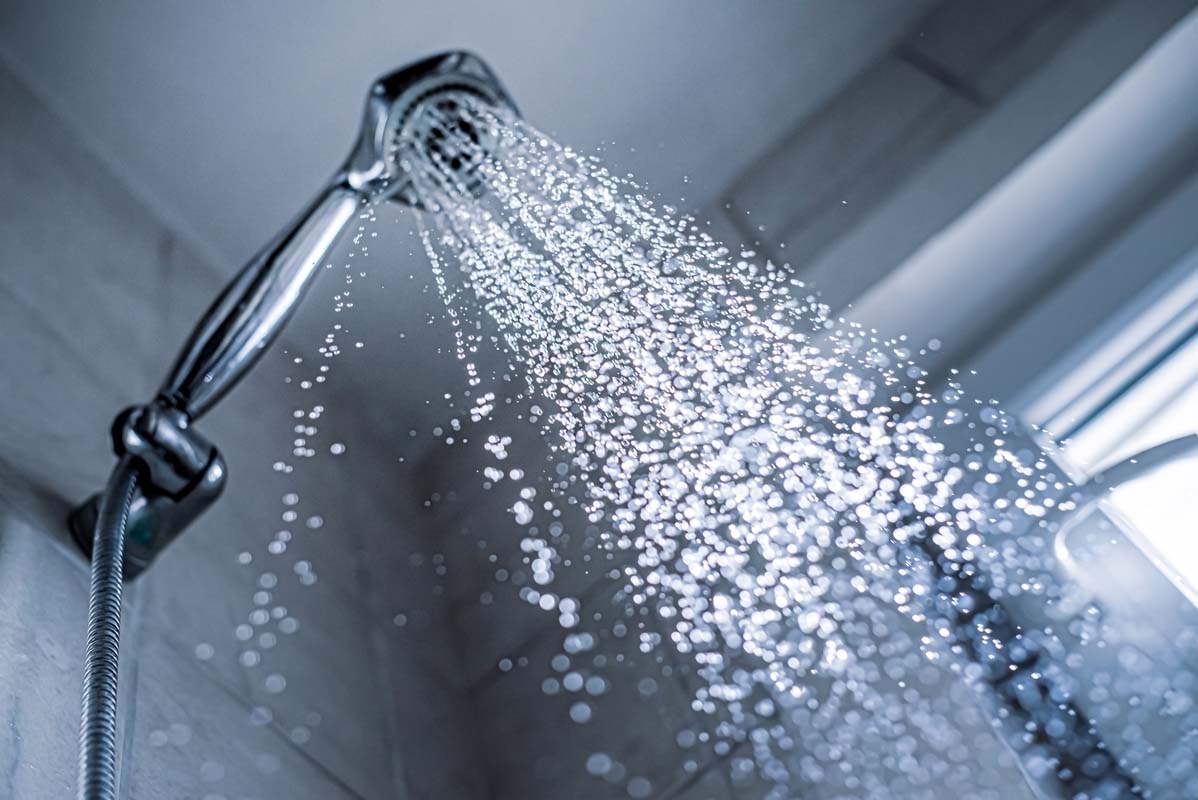
Low water pressure is a common complaint for many homeowners in our beautiful seaside community, ranging from those living in the heritage homes of Ocean Park to the newer developments near Grandview Heights.
While it might seem like a minor annoyance, low pressure is often a symptom of a deeper issue within your plumbing system. Understanding why your water flow has slowed down is the first step toward reclaiming the high performance plumbing you deserve.
At Hilltop Plumbing, we have seen every possible cause for this issue across the South Surrey area and can walk you through the most frequent culprits and the professional solutions that can get your water moving again.
Understanding How Water Moves Through Your South Surrey Home
Before you can fix the flow, you need to understand how water actually gets to your faucet. The City of Surrey manages a massive network of pipes that deliver treated water to your property line. This water is delivered under a specific amount of force, usually measured in pounds per square inch or psi.
Once that water passes through your main meter, it becomes your responsibility. It travels through a main supply line, enters your home, and then branches off into smaller pipes that feed your kitchen, bathrooms, and laundry room. If there is a bottleneck anywhere along this journey, you will feel the effects on the tap.
Several factors can influence this movement. Sometimes the issue is geographical. South Surrey has a varied landscape with plenty of hills and slopes. If your home is situated at a higher elevation than the nearest pumping station, you might naturally have lower pressure than your neighbors down the hill. However, most of the time, the problem lies within the hardware of the home itself.
The Role Of The Pressure Reducing Valve
Most modern homes in South Surrey are equipped with a device called a pressure reducing valve, or a PRV. This is a bell shaped brass component usually located near your main water shut off valve. Its job is to take the high pressure water coming from the city and step it down to a safe level for your indoor pipes.
The city often sends water through the mains at very high speeds to ensure it reaches everyone. If that raw pressure hit your dishwasher or your toilet valves directly, it could cause them to burst or wear out prematurely. The PRV acts as a protective gatekeeper.
Like any mechanical part, a PRV can fail overtime. When it breaks, it can fail in two ways. It might allow too much pressure through, which is dangerous, or it might get stuck in a constricted position. If the internal spring or diaphragm wears out, it can throttle your water flow to a crawl. If you notice a sudden, house wide drop in pressure, the PRV is often the first place we look.
Mineral Deposits And Sediment In Local Pipes
South Surrey gets its water from the Greater Vancouver Water District, primarily sourced from the Capilano, Seymour, and Coquitlam reservoirs. While this water is some of the highest quality in the world, it still carries microscopic minerals and particulates. Over decades, these minerals can settle inside your pipes and fixtures.
This buildup is often called scale. Think of it like cholesterol in an artery. As the layer of minerals gets thicker, the opening for the water gets smaller. This is particularly common in homes with older copper or galvanized steel piping.
- Aerators: The small screens at the tip of your faucets can trap tiny pieces of grit.
- Showerheads: Small holes can become plugged with calcium, causing an uneven spray.
- Water Heaters: Sediment often settles at the bottom of your tank, which can restrict the hot water flow specifically.
If you notice that the low pressure is only happening at one specific sink or only when you use hot water, sediment is likely the winner of the blame game.
Hidden Leaks Can Drain Your Flow
A leak does not always result in a puddle on the floor. Some of the most damaging leaks are the ones you cannot see. If a pipe has a crack or a loose fitting behind a wall or under your foundation, a significant portion of your water is escaping before it ever reaches your faucet.
When water escapes the system, the overall pressure drops. It is basic physics. The system cannot maintain force if it is losing volume. Beyond the pressure issues, these hidden leaks can lead to structural rot, mold growth, and massive water bills.
How can you tell if this is happening?
- Check your water meter when no one is using any water. If the dial is still spinning, you have a leak.
- Look for damp spots on drywall or ceiling tiles.
- Listen for the sound of running water or hissing when the house is quiet.
- Notice if your backyard has a patch of grass that is much greener or soggier than the rest.
In South Surrey, where many homes have beautiful landscaping and irrigation systems, a leak in an underground sprinkler line can also cause a drop in indoor pressure.
Older Galvanized Pipes Restrict Movement
Many of the classic homes in the South Surrey and White Rock area were built using galvanized steel pipes. At the time, this was the industry standard. However, we now know that these pipes have a shelf life.
Over time, the zinc coating on the inside of these pipes wears away, exposing the iron to water. This leads to rust. Unlike copper or PEX, which stay relatively smooth, galvanized pipes rust from the inside out. The rust creates a rough, jagged surface that catches sediment and eventually closes off the pipe almost entirely.
- You might notice a metallic taste in your water.
- The water may appear slightly brown or orange when you first turn it on.
- The pressure will gradually get worse over several years.
If your home was built before the mid 1980s and you have never had a repipe, your low pressure is almost certainly caused by the internal decay of your plumbing system. The only permanent fix for this is replacing the old steel with modern, durable materials.
Steps To Take Before Calling A Professional
If you are dealing with low flow, there are a few things you can check yourself to narrow down the cause. You don't need to be a master plumber to perform these basic diagnostic steps.
First, check multiple fixtures. If the kitchen sink is fine but the shower is weak, the problem is local to that bathroom. You can unscrew the showerhead and soak it in vinegar to dissolve mineral buildup. You should also check the aerators on your faucets. Most of them unscrew by hand or with a basic wrench. If they are filled with grit, cleaning them will instantly restore your pressure.
Second, ensure your main shut off valve is fully open. Sometimes, if work was recently done on the home, the valve might have been left partially closed. Most valves are located where the main line enters the house. If it is a lever handle, it should be parallel to the pipe. If it is a round wheel handle, turn it all the way to the left.
Third, check your PRV if you feel comfortable doing so. Some PRVs have a screw on top that allows for minor adjustments. Turning the screw clockwise will usually increase the pressure. However, be very careful. If you turn it too high, you can damage your appliances. If turning the screw doesn't change anything, the valve is likely broken and needs replacement.
Why Hiring A Local Expert Makes A Difference
Plumbing in South Surrey has its own set of quirks. From the specific water chemistry of the region to the common building styles used in different decades, a local plumber knows what to look for. At Hilltop Plumbing, we don't just guess at the problem. We use diagnostic tools like pressure gauges and thermal imaging to find the exact source of the restriction.
Hiring a professional ensures that the root cause is addressed, not just the symptom. If you simply turn up your PRV to compensate for a leak, you are actually making the leak worse and risking a catastrophic pipe burst. A professional can provide a balanced solution that restores flow while protecting the longevity of your pipes.
We also understand the local permit requirements and building codes in Surrey. If your low pressure requires a larger repair, such as a main line replacement or a full home repipe, we handle the logistics so you don't have to. Our goal is to provide a seamless experience that ends with you having the strong, reliable water pressure you need for your daily life.
Restore High Performance To Your Plumbing System
Don't let a weak stream of water get in the way of your comfort.
By identifying the cause, whether it is sediment, a faulty valve, or aging pipes, you can take the necessary steps to fix the problem for good. South Surrey homes are a significant investment, and maintaining the plumbing system is a key part of protecting that value.
If you have tried the basic checks and your water is still more of a trickle than a flow, it is time to bring in the experts. We have spent years helping your neighbors in South Surrey solve these exact issues with speed and transparency.
Hilltop Plumbing & Heating Ltd. is a licensed bonded and insured plumbing and gas fitting company, proudly serving the White Rock and South Surrey area for over 50 years.
Trusted for over four decades, we have been providing plumbing & heating solutions, backed up by our guaranteed workmanship and parts warranty.