

2026
How To Prevent Sewer Backups During Heavy Rainfall In White Rock
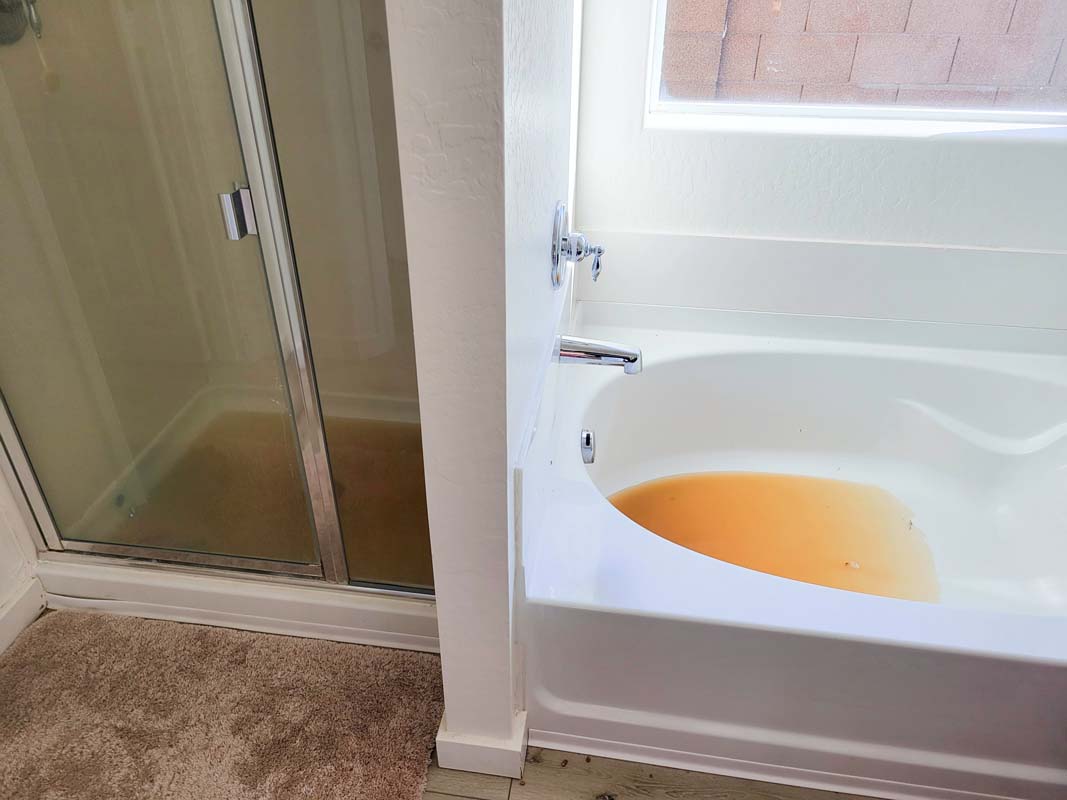
Living in White Rock means enjoying some of the most beautiful coastal views in British Columbia. However, our proximity to the ocean and our unique hillside geography come with a specific set of challenges, especially when the heavy rains arrive. Most homeowners don't think about their sewer lines until something goes wrong. When a backup occurs during a storm, it is more than just a mess. It is a health hazard and a significant financial burden.
Understanding how your home interacts with the city infrastructure is the first step in protecting your property. When the rain pours down on our steep streets, the drainage systems are put to an ultimate test. If your home isn't prepared, that excess water can find its way into your basement through your floor drains, toilets, and tubs.
The Connection Between Heavy Rain And Your Sewer Line
It is helpful to understand that White Rock, like many older coastal communities, has a complex underground network. You have two main types of systems carrying water away from your home. The first is the sanitary sewer, which carries waste from your toilets, sinks, and showers to a treatment plant. The second is the storm drain system, which is designed to handle rainwater from the streets and your roof.
During a heavy rainfall event, these two systems can sometimes influence one another. If the storm drains become overwhelmed by a massive influx of water, the pressure in the ground increases. If there are cracks in the city pipes or your own private lines, rainwater can seep into the sanitary sewer. This is known as inflow and infiltration.
When the sanitary sewer fills up with rainwater it was never meant to carry, the pipe reaches its capacity. The sewage has nowhere to go but back up the pipe and into the lowest point of your home. This is why basements are usually the first area to suffer during a White Rock storm.
Installing A Backwater Valve For Ultimate Protection
One of the most effective ways to stop a backup is to install a backwater valve. Think of this device as a one way gate for your plumbing. Under normal conditions, the gate stays open, allowing waste to flow freely from your home out to the city main.
If the city sewer begins to back up, the reverse flow of water pushes the gate shut. This creates a physical seal that prevents sewage from entering your home. It is a simple mechanical solution that provides massive peace of mind.
- Backwater valves are typically installed in the floor of your basement.
- They require regular inspection to ensure no debris is stuck in the gate.
- Many insurance companies in British Columbia offer premium discounts for homes with these valves installed.
Maintaining Your Perimeter Drains And Drain Tile
Every home in White Rock is surrounded by a system called drain tile or perimeter drains. These are perforated pipes buried in gravel next to your foundation footings. Their job is to collect groundwater and direct it away from your house before it can seep through your concrete walls or put pressure on your sewer lines.
In our area, these drains can easily become clogged with silt, sand, and roots from our lush coastal greenery. If the drain tile is blocked, water pools around your foundation. This creates a swampy environment that can force water into your sewer joints or through cracks in your basement floor.
Having your perimeter drains professionally flushed or scoped with a camera every few years is a small investment that prevents a multi thousand dollar disaster. When your perimeter drains work perfectly, your sewer system doesn't have to work nearly as hard during a storm.
The Importance Of Disconnecting Downspouts From The Sewer
In older White Rock homes, it was common practice to connect roof downspouts directly into the sanitary sewer line. While this seemed convenient decades ago, it is now a leading cause of basement flooding. During a heavy rain, a single roof can shed hundreds of gallons of water in a very short time.
If that water goes straight into your sewer line, you are essentially flooding your own system. The sheer volume of water can overwhelm your internal pipes faster than the city line can take away. Here’s what you need to do to avoid this:
- Redirect downspouts so they discharge at least six feet away from your foundation.
- Use rain barrels to capture water for your garden.
- Ensure the water flows toward the street or a designated rock pit rather than toward your neighbor's property.
Identify And Repair Pipe Cracks Before The Storm
Your side sewer is the pipe that connects your home to the city main. Over time, the soil in White Rock shifts, especially on the hillsides. This shifting can cause clay or cast iron pipes to crack or settle. These cracks act like a magnet for tree roots seeking moisture.
Once roots enter the pipe, they create a natural dam. During dry weather, you might not notice a problem because the flow is low. But when the heavy rain hits and the volume of water increases, that root mass causes a total bottleneck.
A professional sewer camera inspection can show you exactly what is happening underground. If we find cracks or root intrusions, we can often fix them with trenchless technology. This means we can repair the pipe without digging up your beautiful landscaping or driveway.
Watch What Goes Down Your Drains Year Round
Prevention isn't just about the pipes outside. It is also about what happens inside your kitchen and bathroom. A sewer backup during a rainstorm is often triggered by an existing partial clog that finally gives way or catches debris.
Fat, oil, and grease are the biggest enemies of your sewer line. When they are warm, they are liquid. Once they hit the cool pipes under your yard, they solidify into a waxy substance that traps everything else.
- Never pour grease down the sink.
- Use hair catchers in every shower and tub.
- Only flush the three Ps: pee, poo, and toilet paper.
- Avoid so called flushable wipes as they do not break down and frequently snag on roots.
Professional Inspections Provide Peace Of Mind
The best time to deal with a sewer backup is six months before it happens. By the time the sky turns grey and the wind starts howling off the Semiahmoo Bay, it is often too late to take preventative measures.
A comprehensive plumbing audit involves checking your backwater valve, testing your sump pump, and inspecting your main sewer line. At Hilltop Plumbing, we take pride in helping our neighbors in White Rock stay dry and stress free. We understand the specific soil conditions and the local building codes that affect your home.
When you invest in prevention, you aren't just protecting a pipe. You are protecting your furniture, your memories, and your family's health. Clean water is a luxury, but a working sewer system is a necessity.
Take Action To Protect Your Home
If you have noticed slow drains, gurgling noises from your toilets, or a damp smell in your basement, these are warning signs you cannot afford to ignore. White Rock weather is unpredictable, and our rainy season can be intense.
Being proactive is the hallmark of a smart homeowner. By following these steps and ensuring your home has the right protective equipment, you can listen to the rain on your roof without worrying about what is happening under your floorboards.
The benefits of a well maintained system go beyond just avoiding a mess. You increase your property value, ensure your insurance remains valid, and avoid the massive headache of a restoration project. Your home is your sanctuary, and keeping the sewer where it belongs is the best way to keep it that way.
Hilltop Plumbing & Heating Ltd. is a licensed bonded and insured plumbing and gas fitting company, proudly serving the White Rock and South Surrey area for over 50 years.
Trusted for over four decades, we have been providing plumbing & heating solutions, backed up by our guaranteed workmanship and parts warranty.