

2026
Preparing a Heat Pump for the Lower Mainland Heating Season
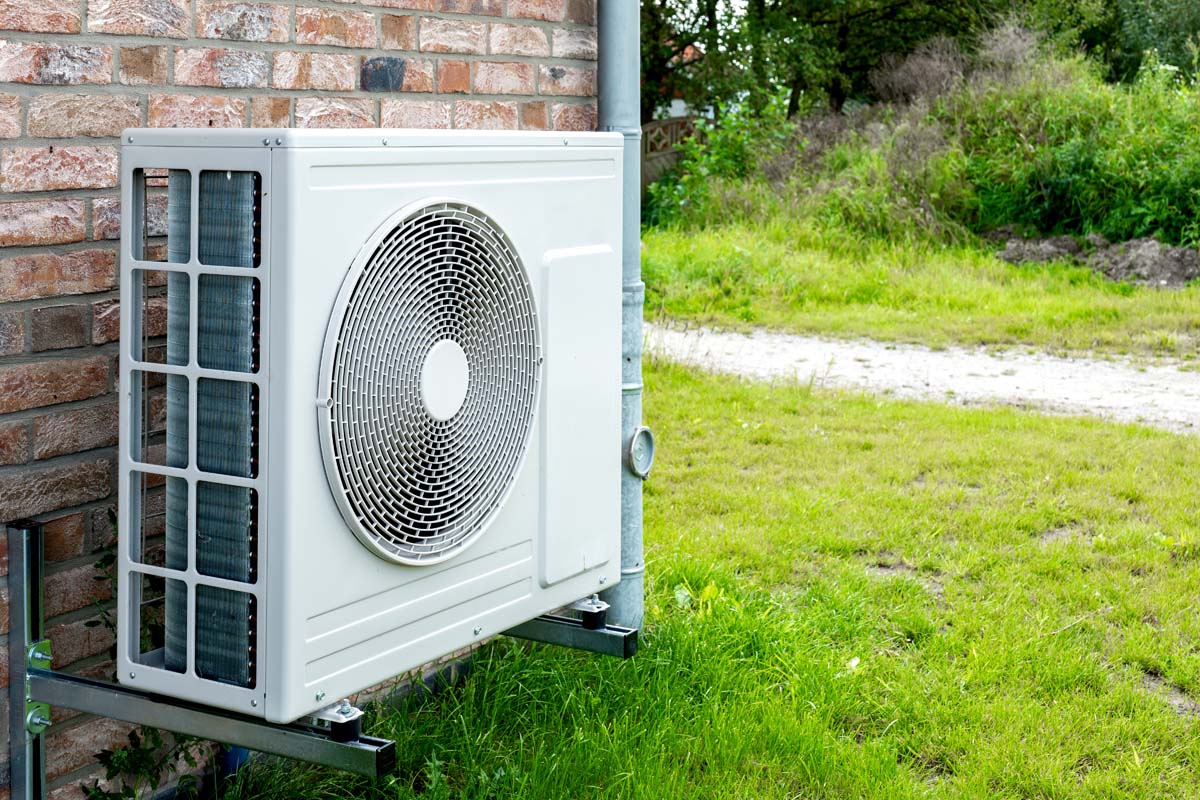
A lot of heat pumps in White Rock, Surrey and Langley were bought for one reason, which was a hot summer. They got installed in May, ran as air conditioning through August, and then sat quiet.
The point of a heat pump is that it heats as well, and more efficiently than almost anything else available here. But heating mode uses parts of the system that cooling mode does not touch, and the first cold week is a poor time to find out something is wrong. A couple of hours in October is worth more than an emergency call in January.
Start With the Outdoor Unit
The single most common mistake we see is a heat pump that has been covered for the winter.
That instinct comes from air conditioners, which genuinely do sit idle from autumn to spring. A heat pump is the opposite. It is your heating system, so it runs through the coldest months and needs unrestricted airflow the whole time. A cover, a tarp, or a sheet of plywood across the top will choke it, and in a worst case the system will struggle and shut down on a protection fault during the week you most need it. If you want to keep leaves out of the top, a manufacturer-approved top cover that leaves the sides and the coil fully open is the only acceptable version.
Clear the space around it instead. Aim for a couple of feet of open air on the sides where the coil breathes and nothing overhanging that will drop debris into it. Cedar needles and maple leaves are the two things that reliably clog a coil in this part of the province, and a coil packed with needles loses capacity before it shows any obvious symptom.
Check how the unit sits as well. It should be raised off the ground on a stand or pad, high enough that the coil is clear of standing water and whatever snow we get, and the ground underneath should drain away rather than hold a puddle. Pads settle over a few years, and a unit tilting backward into its own meltwater is a problem that gets worse every cold night.
Why Drainage Under the Unit Matters in Winter
This one is specific to heating mode and it catches people out.
When a heat pump runs in heat, the outdoor coil gets colder than the outside air, so moisture condenses and freezes on it. The system periodically reverses itself for a few minutes to melt that ice off, which is the defrost cycle. You will see steam rising from the unit and hear it change note, and both are completely normal.
The meltwater has to go somewhere. If the base of the unit or the ground beneath it cannot drain, that water refreezes, and over a cold spell it builds into a block of ice that fills the base pan and eventually reaches the coil and the fan. At that point the system cannot defrost itself out of the problem. Keeping the base clear and the ground draining is most of the prevention, and on units that struggle with it there are drain and base heater options worth asking about.
Then Look at the Indoor Side
Airflow problems show up as a heating complaint long before anyone suspects the filter.
Replace or wash the filter before the season starts, and then keep to a schedule rather than waiting until it looks bad. A heat pump delivers heat at a lower supply temperature than a gas furnace does, which means it depends on moving a larger volume of air to achieve the same comfort. Restrict that airflow and the house feels cool even though the equipment is running correctly.
While you are there, walk the house and confirm that supply and return registers are open and not blocked by furniture, rugs or curtains. Rooms that were closed off over the summer are the usual offenders. On a ductless system, the indoor heads have their own filters behind the front panel, and each head needs doing.
Set the Thermostat Up for Heating, Not Cooling
Heat pumps reward being left alone, which is the opposite of how many people are used to running a furnace.
A gas furnace produces a lot of heat quickly, so a deep overnight setback and a fast morning recovery costs very little. A heat pump recovers more slowly, and if the thermostat sees a large gap between the current temperature and the setpoint it will often call on the backup heat to catch up. On most systems here that backup is electric resistance heat, which is the most expensive way to warm a house. A few degrees of setback is fine. Eight degrees overnight usually ends up being paid for by the electric elements every morning.
It is also worth confirming that the thermostat is correctly configured for the equipment, because this is a frequent installation oversight. On a dual fuel system pairing a heat pump with a gas furnace, the changeover temperature determines which appliance runs when, and getting it wrong means either running the furnace when the heat pump would have been cheaper or running the heat pump past the point where it is the better option. On an all-electric system, the lockout settings control when the strip heat is allowed to engage. Neither is something to guess at.
The Pre-Season Check You Can Do Yourself
Before the first cold snap, work through the following:
- Remove any cover or tarp from the outdoor unit and clear leaves, needles and debris from around and inside the coil guard
- Cut back vegetation to leave clear air on all sides of the unit and nothing overhanging it
- Confirm the unit is sitting level on its stand or pad and that the ground beneath drains rather than ponds
- Replace or wash the indoor filter, and the filter in each head on a ductless system
- Open and unblock every supply and return register in the house
- Check that the outdoor electrical disconnect is on and the breaker has not tripped
- Switch the system to heat and run it for an hour, listening for new noises and confirming warm air at the registers
That last step is the one worth doing deliberately in October. Running the system in heating mode engages the reversing valve and the defrost control, neither of which has been used since last winter. If something has failed over the summer, this is when you want to find out.
What Needs a Technician
A few things are not homeowner tasks, and they are the ones that determine whether the system performs properly through the season.
Refrigerant charge is the main one. A heat pump that is slightly low on charge will often still cool acceptably in summer and then underperform badly in heating, because heating mode is where the system works hardest. It shows up as a house that will not reach setpoint and a backup heat bill that climbs. Checking charge requires gauges and, if it is low, the leak needs to be found rather than the system simply topped up.
The rest of a proper service visit covers the things that fail quietly: coil cleaning beyond what is reachable by hand, defrost cycle operation, the reversing valve, electrical connections and contactors, capacitor condition, and the backup heat sequence. Most manufacturers also expect documented annual maintenance for warranty purposes, which is worth knowing before a compressor claim.
We cover this as part of regular heating system maintenance, and for homes on a heat pump it is best scheduled in early autumn rather than in the middle of winter when everyone is calling at once.
If the System Is Not Keeping Up
Sometimes the equipment is fine and the problem is sizing or setup. A heat pump chosen primarily to handle summer cooling load is not necessarily matched to the heating load of the same house, and an older home with limited insulation or undersized ductwork can defeat a correctly functioning system.
If your heat pump is running constantly, leaning on backup heat, or never quite getting there, that is worth diagnosing rather than living with. We work on heat pumps, ductless mini splits and conventional heating systems across White Rock, South Surrey and Langley, so we can tell you honestly whether the answer is a repair, a control change or a different approach.
Book Before the Cold Arrives
Hilltop Plumbing and Heating has served White Rock, Surrey, Langley and the Lower Mainland for decades from our shop on Johnston Road, with a 24-hour line for heating that fails at the worst time.
If you want your heat pump checked before the season, now is the time to get it booked. Call (604) 536-5545 or get in touch.